- About
- Events
-
Summer Programs
Summer Programs
Volunteer IsraelGrades 9-12 | 15 Days Volunteer IsraelGrades 9-12 | 15 Days Volunteer IsraelGrades 9-12 | 15 Days Volunteer IsraelGrades 9-12 | 15 Days Volunteer IsraelGrades 9-12 | 15 Days Volunteer IsraelGrades 9-12 | 15 Days Volunteer IsraelGrades 9-12 | 15 Days Volunteer IsraelGrades 9-12 | 15 Days Volunteer IsraelGrades 9-12 | 15 Days Volunteer IsraelGrades 9-12 | 15 Days - Get Involved
-
International Convention
International Convention
-
Resources
Resources
-
Meet the Team
Connection
Parshat Shemot: The Journey Out of Egypt

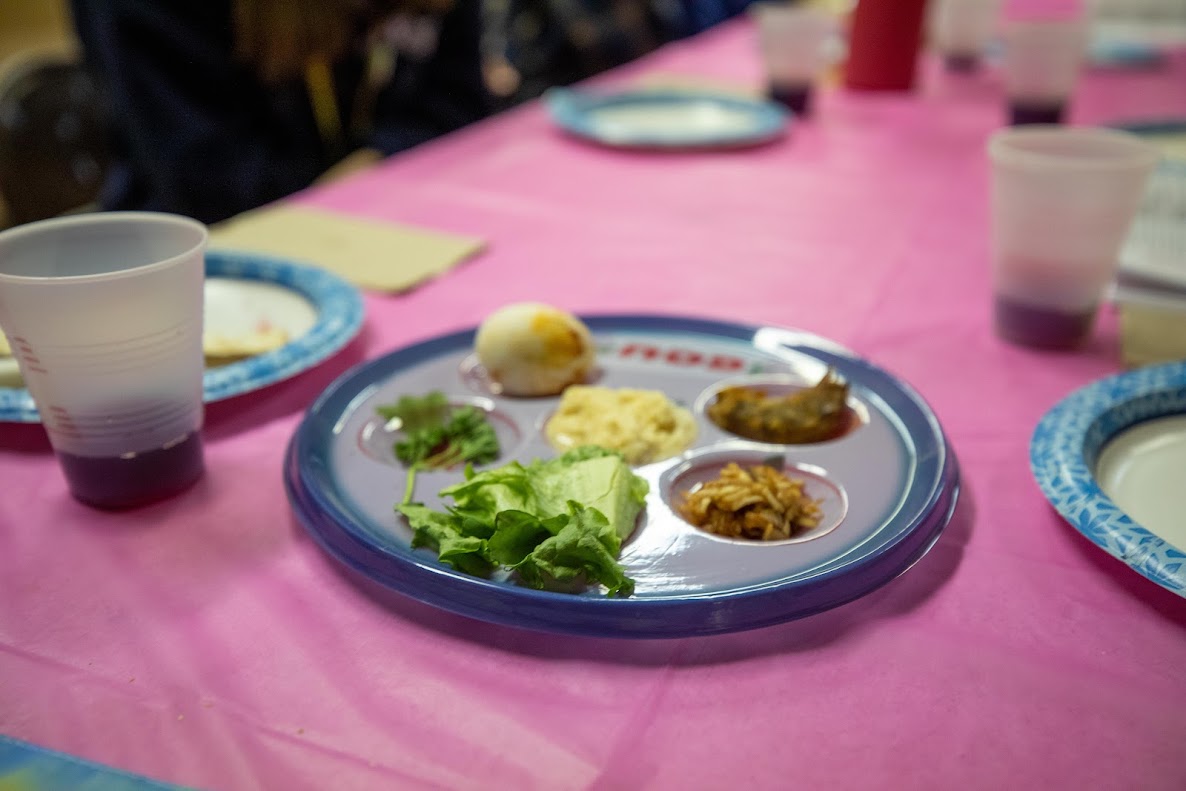
This Shabbat, on the first day of Passover, we read Shemot Chapter 12, the story of the Israelites' journey from Egypt. The chapter begins with G-d telling Moses about a mandatory lamb sacrifice that the Israelites must complete on the tenth of the month and continues with the striking of the 10th plague, the killing of the firstborn. We learn that the Jewish first-born children would be saved from this plague if they cover their doorposts with blood from the Passover sacrifices and follow all of G-d’s instructions. After this plague occurs, Pharaoh finally relents, permitting the Israelites to leave Egypt. Of course, it is a decision that Pharaoh would regret a moment later, so the Israelites left in a hurry.
The Torah describes what the Children of Israel took with them as they were escaping Egypt, items that are still symbolized today at the Passover Seder. The Torah reads, “They brought their dough before it was leavened, their kneading bowls wrapped in their cloaks upon their shoulders.” (Shemot 12:34). At least one commentator, Rashi, focuses on the phrasing of this verse, which describes the bread this way: “טרם יחמץ,” or “bread before it was leavened,” instead of “bread before they baked it.” The reason, as Rashi explained, is to emphasize the sense of urgency to leave. Being forced to remain in Egypt even one moment longer would cause the Israelites even more trauma and oppression. They had to flee quickly, just like many people have to flee their countries today.
We learn from our own Passover story, the dangers that some people face in their current environment; such as lack of food, shelter, and other resources. We understand that immediate outside help is often needed. This is especially applicable to the current refugee crisis in Ukraine as over 10 million Ukrainians have had to flee their country due to the Russian invasion. These refugees are escaping war to seek safety in countries around the globe where they are forced to start over, begin a new life with few resources and many lost relatives. Many of these people are Jewish, and some are even members of BBYO. While we, in the United States, will be sitting around with our family during the upcoming seders, Ukrainian refugees will be living a nightmare brought on by Putin and the Russian military. We must help these people, Jews and non-Jews alike, who are seeking asylum and freedom in the United States and elsewhere.
The story of Passover does not just tell us that we must care for refugees but also tells us how. In this Parsha, we read about how the whole community of Israel shall offer the Passover sacrifice. As the verse says, “כׇּל־עֲדַ֥ת יִשְׂרָאֵ֖ל יַעֲשׂ֥וּ אֹתֽוֹ, all of the congregation of Israel must offer the sacrifice” (Shemot 12:47). Today, while we are no longer offering animal sacrifices, the idea of a sacrifice from the entire community of Israel is still relevant. The idea of the modern-day sacrifice is one where we are sacrificing something to help the world become a better place. We, as עם ישראל, (the people of Israel), must collectively fight for the liberation of people, whether they are Ukrainian refugees or asylum seekers from elsewhere fleeing violence, it is our duty to sacrifice money, time, and labor to help these people attain freedom just like us.
I encourage you to attend this year’s Passover seder thinking about the story of our exodus from Egypt, applying it to the modern-day refugee crises, and asking yourself, “how can we help?”
Chag Sameach and Shabbat Shalom,
Julia Levin, Northern Region East: Baltimore Council
Explore More Stories

Vestibulum hendrerit ornare augue, nec hendrerit tortor suscipit at.
Maecenas eget commodo odio, non interdum lorem. Phasellus quis tellus dignissim, ornare velit et, auctor augue. Suspendisse volutpat orci sed velit dignissim, eu consectetur ipsum posuere. Morbi nibh diam, facilisis sit amet lectus quis, fermentum congue erat. Proin eros lectus, posuere id luctus in, blandit vitae metus. Morbi at eros sed tortor accumsan vulputate eu vel ex. Cras gravida fermentum est et imperdiet. Integer eu elit ac elit faucibus finibus.


Etiam eget nunc vitae urna maximus dignissim eu vel est. Nunc non tortor arcu
Phasellus mauris quam, varius sit amet erat in, volutpat maximus purus. Etiam eu orci suscipit, semper enim ut, fermentum erat. Duis vel eleifend orci. Suspendisse ultrices erat sed lacus luctus varius. Ut lobortis ipsum a mattis bibendum. Praesent sit amet odio nisi. Integer elementum ante et lorem gravida, quis facilisis risus lacinia. Nullam eleifend convallis lorem quis euismod. Aenean quis sagittis sapien, at sagittis ipsum.

Connection
Suspendisse ultrices interdum porta. Morbi ante nunc
Aliquam pharetra leo cursus urna semper luctus non a elit. Etiam tristique ante in lectus maximus, a hendrerit justo iaculis. Duis hendrerit arcu turpis, vel finibus nisi sodales in. Donec ut felis ex. Quisque blandit mauris ante, sed egestas massa vulputate et. Integer maximus, ipsum non faucibus tincidunt, diam lacus mattis mauris, et porttitor augue dui eget erat. Nullam scelerisque dolor in velit pulvinar egestas. In hac habitasse platea dictumst. Nam in purus ornare, feugiat massa eu, viverra orci. Suspendisse efficitur ex eget consectetur tempor. In pulvinar ligula ut auctor rhoncus. Maecenas tempus eros tortor, non convallis elit scelerisque non. Duis sagittis molestie luctus.